McCoy & Hiestand: Home of the Lady Litigator
- Home
- Bardstown Car Accident Attorney
- Who Is Liable for Farm Equipment Accidents on Kentucky Roads?
Liability for Car Accidents With Farm Equipment
Liability for farm equipment accidents in Kentucky usually comes down to one thing: whether the person operating the equipment followed slow-moving vehicle laws and used common sense on a rural road.
That’s the core issue, and it shows up quickly on roads in and around Bardstown, where narrow shoulders, rolling terrain, and farm traffic are part of daily life.
Driving along highways like KY-245 or the smaller county roads outside Nelson County, you’ve probably seen how quickly things can tighten up. Kentucky statutes, especially those tied to KRS farm equipment regulations and Slow-moving vehicle laws, are designed for exactly these moments.
Car crashes with farm machinery tend to peak during planting and harvest seasons, and Kentucky consistently reports hundreds of these incidents each year. In rural communities like Bardstown, where agricultural traffic isn’t occasional but constant, the risk feels less theoretical and more like part of the commute.
So, when a crash happens, the question isn’t just who hit who.
It’s whether everyone involved followed the rules that apply specifically to agricultural vehicle liability, and whether they respected the limits of rural road safety in the first place.
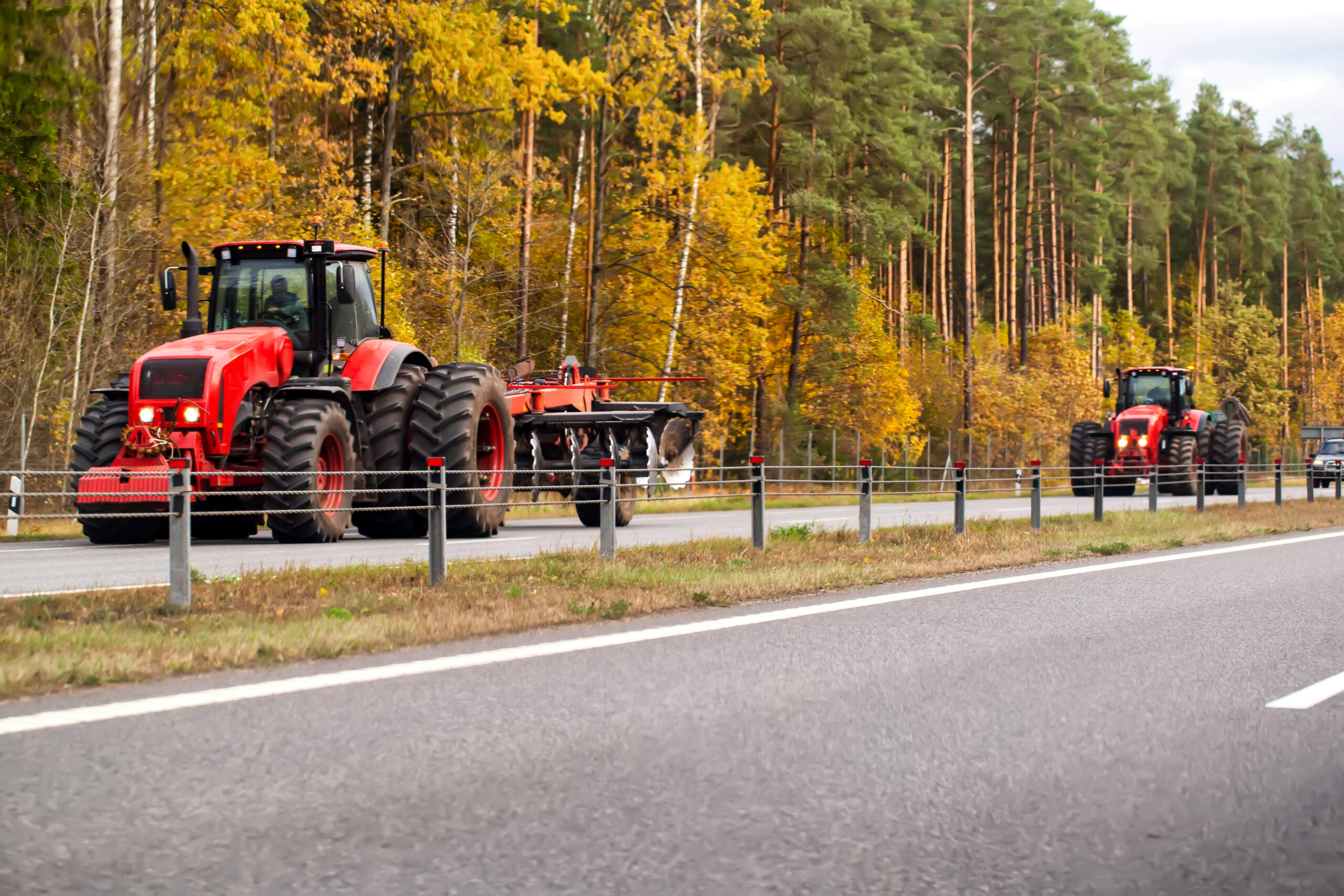
Determining Liability for Kentucky Agricultural Vehicle Crashes
Liability in these crashes usually comes down to whether a driver acted unreasonably given the circumstances. That’s the core question, and everything else builds from there.
At first glance, a case may seem obvious. A driver hits the back of a slow-moving tractor, so the driver must be at fault, right? Not always. If that tractor wasn’t properly marked or visible, the analysis shifts fast.
In Kentucky, the courts look at both sides carefully, because these crashes rarely involve just one mistake. More often, it’s a chain of small decisions that stack up.
Things like:
- Failing to display the required slow-moving vehicle emblems
- Misjudging speed when approaching from the rear
- Drivers attempting unsafe passes on narrow two-lane roads
- Equipment that extends into opposing lanes without proper warnings
- Reduced visibility from dust, weather, or low lighting
This is why an accident lawyer doesn’t just look at the crash itself. They dig into visibility, timing, and whether both parties followed the rules.
How Kentucky Laws Govern Farm Equipment on Public Highways
Kentucky law is very clear: if you’re operating farm equipment on a public road, you have to follow specific safety rules. No shortcuts.
The biggest requirement is pretty straightforward: if your vehicle travels under 25 miles per hour, you must display a reflective orange slow-moving vehicle emblem. That falls under Kentucky’s slow-moving vehicle laws. If you miss that, it can seriously hurt your case.
There’s more to it, though. Lighting matters as well. So does positioning on the road. Even the decision to be on the road under certain weather conditions can come into play.
Key legal requirements include:
- Properly displaying a visible slow-moving vehicle emblem at all times
- Using adequate lighting in low visibility or nighttime conditions
- Keeping slow-moving equipment as far to the right as reasonably possible
- Avoiding road use when it creates unnecessary risk
Drivers in passenger vehicles also have responsibilities. They can’t treat encounters with farm vehicles like normal traffic situations. Slowing down, staying patient, and avoiding aggressive passing are all part of the deal.
That’s why rural road accidents tend to involve shared liability more often than people expect.
Work With Sheila and Chad Today
Evidence Needed to Prove Liability in Tractor Collisions
To prove liability, you have to show that someone broke the rules or acted carelessly, and that it was that act that directly caused the crash. That’s the foundation of any claim involving farm equipment accidents.
The challenge is timing. These crashes often happen in rural areas where evidence doesn’t stick around long. Skid marks fade, equipment gets moved, and memories fade.
That means you need to act quickly and gather solid proof.
Critical evidence in these cases often includes:
- Photos of the scene, including the road layout and visibility conditions
- Confirmation of whether or not a slow-moving vehicle emblem was properly displayed
- Eyewitness statements
- Maintenance and inspection records for the farm equipment
- Police reports documenting compliance with KRS farm equipment regulations
In more complicated crashes with farm machinery, especially when visibility is disputed, experts are often needed. Your lawyer may bring in reconstruction specialists to break down exactly what happened.
That’s not excessive; it’s often necessary.
McCoy & Hiestand, PLC Advocates for Farm Equipment Accident Victims
Liability in farm equipment accidents usually comes down to those who followed the rules and who didn’t, and more often than not, both sides share some responsibility. If a farm operator skipped required markings or lighting, that’s a problem. If a driver rushed a pass or ignored obvious hazards, that’s just as serious.
These cases don’t reward assumptions; they reward details and facts.
If you’re dealing with this type of accident, understanding how agricultural vehicle liability works early on can make a real difference. It shapes your claim, your strategy, and ultimately, your outcome.
McCoy & Hiestand, PLC can help you find those details.
Contact us today for a free consultation.

Free Consultation
Get the financial compensation you need after a serious Louisville car accident.
Fill out the form below to request a consultation
