McCoy & Hiestand: Home of the Lady Litigator
Louisville Pedestrian Accident Attorney

- Home
- Louisville Personal Injury Attorney
- Louisville Pedestrian Accident Attorney
Serving Louisville and All of Kentucky

A Louisville pedestrian accident lawyer helps injured walkers deal with far more than a basic traffic claim. These cases often involve confusing intersection layouts, disputed right-of-way rules, severe injuries, and insurance companies that look for ways to shift blame onto the person who had the least protection.
Pedestrian accidents in Louisville tend to have their own rhythm. Downtown, a driver may be watching one-way traffic, turning buses, delivery vehicles, cyclists, and changing signals all at once.
On roads like Dixie Highway, Preston Highway, Bardstown Road, Broadway, and Shelbyville Road, pedestrians may have to cross several lanes of fast-moving traffic.
That matters because walking accidents in Jefferson County rarely come down to a single cause. A poorly timed signal, bad lighting, excessive speed, and a distracted driver can all come together within a few seconds.
Sometimes the street itself creates the risk.
That’s an uncomfortable truth, but it’s an important one.
Understanding Pedestrian Rights on Louisville Roadways
As a pedestrian, you have the right of way in many Louisville traffic situations, but Kentucky law also expects you to follow signals, use available crossings, and avoid stepping directly into the path of a nearby vehicle. The rules protect pedestrians, but they don’t excuse you from every duty.
Kentucky right-of-way rules, set out under KRS 189.570, require drivers to yield when a pedestrian is crossing within a marked or unmarked crosswalk and traffic signals aren’t operating. Drivers also can’t pass a vehicle that has stopped at a crosswalk to let someone cross.
That second rule matters more than it may sound. One car may stop because the driver sees a pedestrian, while a driver in the next lane keeps going because the person is hidden from view.
Those situations can turn deadly very quickly. Drivers must also yield when the crossing is part of a sidewalk. This commonly applies at parking lot entrances, alleys, driveways, gas stations, and commercial access points. A driver may be watching for cars while barely checking for someone walking across the path.
Kentucky also places limits on pedestrians. Someone crossing outside a crosswalk generally must yield to traffic. Between nearby intersections controlled by signals, a pedestrian usually must use a marked crosswalk.
A person also can’t suddenly leave the curb when an approaching vehicle is too close to stop.
Even then, the driver still has a duty to use reasonable care. A pedestrian’s mistake doesn’t give a motorist permission to keep going without slowing, braking, or trying to avoid the crash.
Common crossing misunderstandings include:
- Assuming that a pedestrian always has the right of way
- Believing an unmarked crosswalk isn’t legally enforceable
- Thinking a walk signal protects you against every turning vehicle
- Assuming crosswalk protection applies only between the painted lines
- Drivers assuming they have no duty to avoid a visible person
- Believing the pedestrian is automatically at fault
A crosswalk accident attorney looks beyond one rule or one signal. The full picture includes speed, lighting, lane position, sight distance, signal timing, turning movements, and how much time each person had to react.
Proving Liability in Kentucky Pedestrian Accident Claims
Liability in a Kentucky pedestrian accident claim is proven by reconstructing what the driver and pedestrian were doing before the impact and comparing those actions with their legal duties.
The presence of a crosswalk matters, but it probably won’t settle your entire case.
Useful evidence may include video, traffic signal records, phone data, vehicle information, witness statements, photographs, medical records, and police measurements. In a severe case, an accident reconstruction expert may calculate speed, braking distance, visibility, and the point where the driver should’ve reacted.
Kentucky follows pure comparative fault. That means a pedestrian can still recover compensation even when they share some responsibility for the crash. The final award is reduced by the percentage of fault assigned to that person.
For example, if total damages equal $500,000 and the pedestrian is found 20 percent responsible, the recovery would be reduced to $400,000. This is why insurers push comparative negligence arguments so hard in pedestrian cases. Every percentage point lowers what they may have to pay.
You may have crossed outside the marked crosswalk, but the driver may still have been speeding or looking at a phone. You may have entered during a flashing signal, while the driver failed to slow or yield during a turn.
Fault isn’t always clean. Often, it’s divided.
A crosswalk accident attorney should also find out whether the driver was working at the time of the incident. Delivery companies, contractors, rideshare businesses, and other employers may carry larger policies and may share responsibility for the collision.
Schedule A Consultation
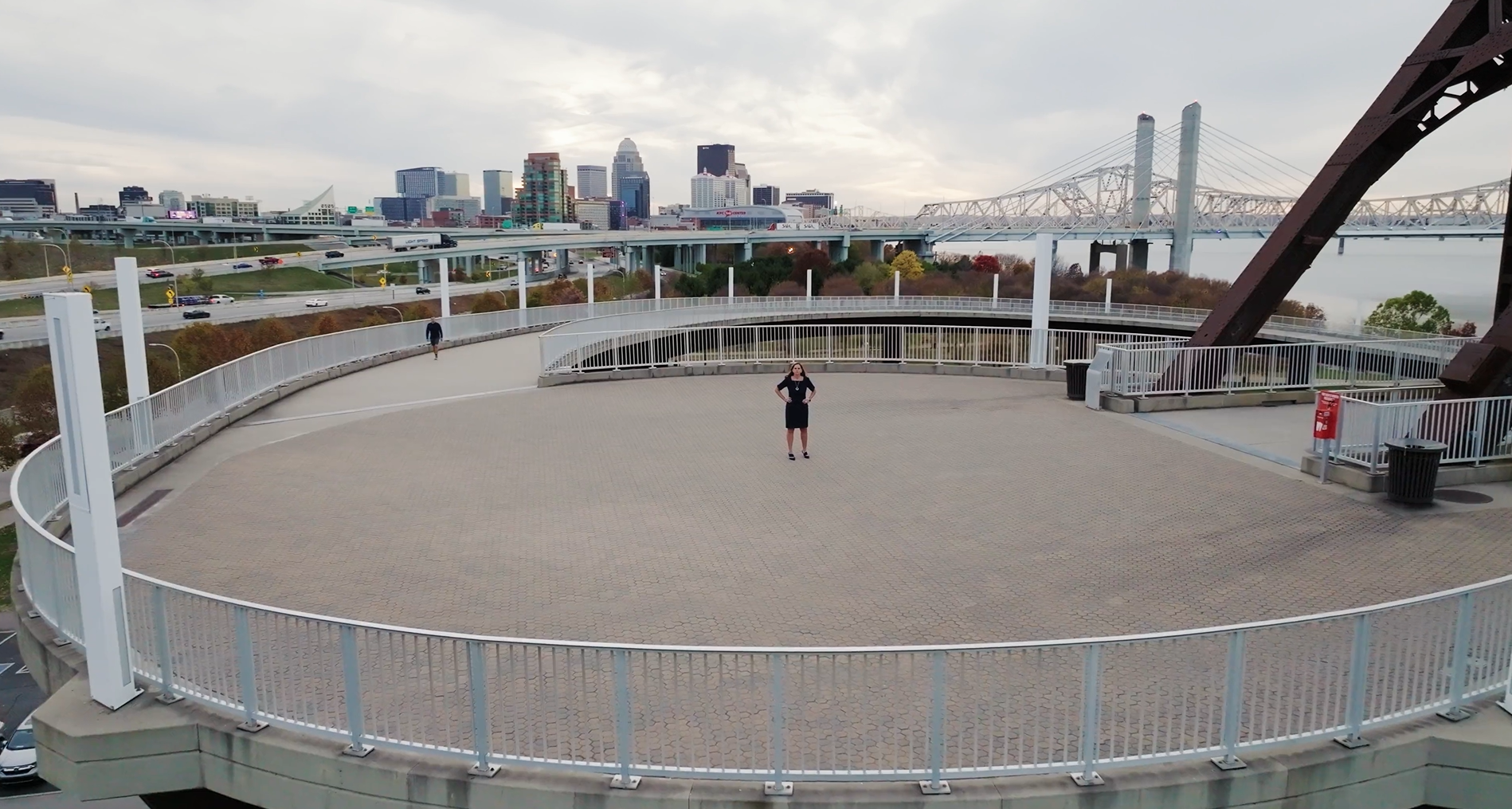
Walking shouldn't be dangerous, but for many people, lack of access to public transportation and safe sidewalks makes traveling by foot difficult. If you've been hit by a vehicle, you may be facing a long recovery and hefty medical bills. Learn about your legal rights during a free and confidential case evaluation.
Compensation Available for Catastrophic Pedestrian Injuries
Compensation for catastrophic pedestrian injuries may include medical expenses, future care, lost income, pain, disability, and the loss of normal daily activities. Recovering damages for a pedestrian strike means looking beyond the bills that have already arrived.
A pedestrian has no seat belt, air bag, or vehicle frame to absorb the impact. Even a lower-speed collision can cause a traumatic brain injury, spinal damage, pelvic fractures, internal injuries, or complex fractures in the legs and feet.
Recovery may involve several surgeries, months of rehabilitation, mobility equipment, counseling, and help with daily tasks. Some people can’t return to the same work.
Others can’t return at all.
Recoverable losses may include:
- Ambulance, emergency room, and hospital treatment
- Rehabilitation and future medical care expenses
- Prescription medication costs
- Mobility devices
- Home and vehicle modifications
- Lost or reduced wages
- Pain, suffering, emotional distress, and trauma
- Permanent impairment
- Scarring and disfigurement
- Loss of normal activities
- Wrongful death damages
A strong pedestrian personal injury claim in Kentucky should explain how the injury changed the person’s actual life. Can the victim walk without assistance, care for children, climb stairs, return to work, drive, sleep normally, or leave the house without fear?
Those details aren’t minor. They’re often the clearest measure of what was lost.
How Our Louisville Legal Team Clears Insurance Barriers
Our legal team navigates the typical insurance barriers by identifying every possible policy, preserving evidence, fighting unfair blame, and refusing to put a number on a serious injury before your doctors understand the long-term outcome.
Kentucky’s no-fault system can confuse pedestrians.
The striking vehicle’s policy may provide personal injury protection benefits for medical costs and certain financial losses. A hit-and-run or uninsured vehicle may trigger coverage under another auto policy. Separate claims may also exist for damages that those early benefits don’t cover.
That can include long-term pain, future medical needs, lost earning capacity, permanent disability, and emotional trauma.
Insurance companies often argue that the pedestrian wore dark clothing, crossed outside a crosswalk, used a phone, or entered traffic too quickly. Some of those claims deserve investigation. Others are simply attempts to shift attention away from the driver’s speed, distraction, or failure to react.
A Louisville pedestrian accident lawyer can compare the insurer’s story with the physical evidence. The video may show that the driver was moving too fast. Signal records may show that you didn’t have enough time to cross. Phone records may reveal distraction.
Measurements may show that you were visible long before the driver applied the brakes.
Our job is to find the available coverage, preserve the proof, limit unfair fault arguments, and present the full value of your injuries.
That sounds simple. In practice, it takes careful work.
Latest Firm News & Updates
-

- August 11th, 2026
- |
- Car Accident
What If the At-Fault Driver Was Working at the Time of the Crash?
-

- August 4th, 2026
- |
- Medical Malpractice
What Is a Failure to Follow Up?
-

- July 28th, 2026
- |
- Car Accident
How Medical Bills Are Paid While Your Injury Case Is Pending
-

- July 21st, 2026
- |
- Medical Malpractice
What Are “Never Events” in Medical Malpractice Cases?
-
- July 14th, 2026
- |
- Car Accident
What If the Police Report Is Wrong After a Crash?
-

- July 7th, 2026
- |
- Medical Malpractice
How to Document Proof of Medical Malpractice
-

- June 23rd, 2026
- |
- Medical Malpractice
Can a Hospital Deny Medical Treatment?
-

- June 16th, 2026
- |
- Car Accident
How Soon Should You See a Doctor After a Car Accident?
-

- June 9th, 2026
- |
- Car Safety
Does Every Passenger in a Vehicle Need to Wear a Seat Belt?
-
- June 2nd, 2026
- |
- Car Accident
How Do You Recover Compensation for a Hit-and-Run Accident?
How a Louisville Pedestrian Accident Lawyer Can Advocate for You
Our Louisville pedestrian accident lawyers connect the dots between state traffic laws, local roadway conditions, comparative fault, and insurance coverage. Pedestrian cases need that focused approach because the injuries are often severe and the disputes can become surprisingly technical.
Kentucky’s right-of-way laws can give you meaningful protection, but they also regulate where and how you cross. Under pure comparative negligence, a mistake on your part may reduce compensation without completely eliminating your claim. That makes the evidence especially important.
Video, signal timing, witness statements, roadway design, vehicle speed, and phone records can reveal what actually happened at the intersection.
At McCoy & Hiestand, PLC, we understand that recovering damages isn’t just about proving that a vehicle hit you. It’s about showing why the crash happened, who had the better chance to prevent it, and how your injuries will affect you long after the scene has been cleared.
Contact us today, and let’s get started protecting your future.

Free Consultation
Contact a Pedestrian Accident Lawyer in Louisville Now
Every pedestrian in the state of Kentucky has rights. If you've been hit by a car while walking on foot, we encourage you to get in touch with our law firm as soon as possible. We'll schedule you for a no-cost, no-obligation case evaluation to help you learn more about your rights and possible options for recovering compensation.
